
 12:18 صباحًا
  القاهرة




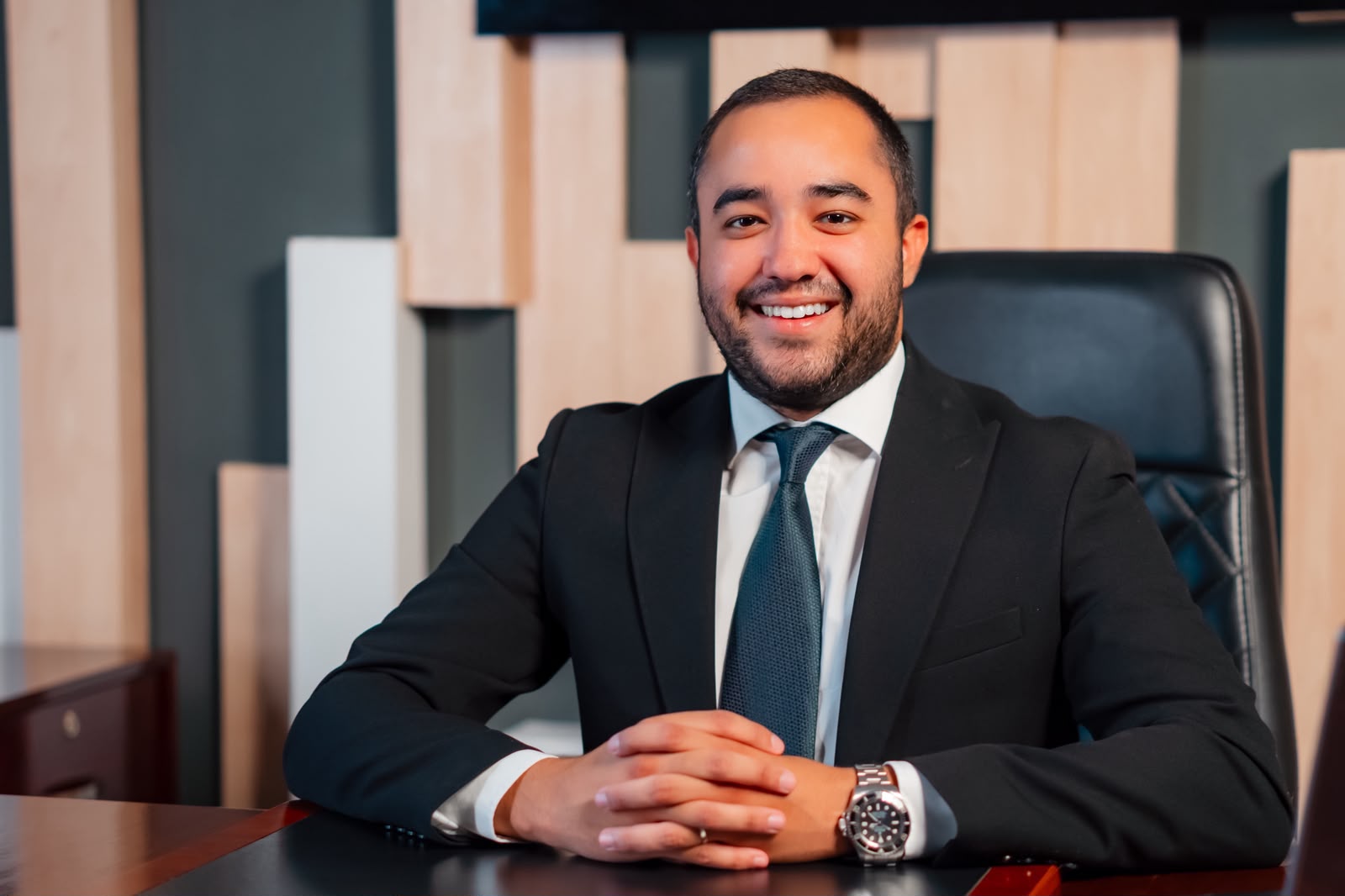
Omar Hesham, an entrepreneur in the real estate development and hospitality sectors, believes that successful real estate development begins long before the first design is drawn or the number of units is determined. It begins with a clear vision — and, more importantly, a compelling reason for the project to exist.
Owning a well-located piece of land and having the capacity to develop it do not, on their own, constitute a strong investment opportunity. The real challenge lies in understanding what the market genuinely needs and defining the right product for that particular location.
For Hesham, this means looking beyond what can technically or commercially be built. Developers must understand real demand, customer expectations, investment objectives, and the characteristics of the location itself before determining its highest and best use.
“I believe one of the hardest decisions in real estate development is not deciding what to build. It is deciding what not to build.”
Every piece of land presents multiple possibilities. Yet a concept that has performed successfully elsewhere is not automatically the right answer for a new development.
Replicating what already works may appear to be the safer choice, but Hesham argues that there are situations where rejecting a proven formula demands sharper judgment — and ultimately creates greater value.
A successful product developed by another company may simply not suit the location, the intended customer, the investment strategy, or the identity of a new project.
This distinction is becoming increasingly important as Egypt’s real estate market matures. Customers and investors have become more informed, more selective, and better equipped to compare competing developments.
In this environment, a developer’s true value lies not merely in access to land or capital, but in the ability to transform those resources into a development with a clear purpose, a distinct identity, and sustainable value.
There is also an important distinction between maximizing space and maximizing value.
A successful development is not necessarily the one that extracts the greatest possible commercial return from every square meter. It is the one that understands how each square meter contributes to the project as a whole.
Hesham explains:
“Give two developers the same land and the same budget, and years later you can end up with two projects of completely different value. The difference was not the resources they started with. The difference was the decisions they made.”
Land, capital, time, space, and operational resources are all finite. The role of the developer, therefore, is not simply to maximize their use, but to allocate them intelligently in a way that strengthens the entire development and creates greater long-term value.
That philosophy can sometimes mean sacrificing an immediate commercial opportunity in favor of a stronger overall project.
“Sometimes, the most valuable square meter in a development is the one you decided not to sell — if keeping it creates greater value for the experience and for the project as a whole.”
For Hesham, the same long-term thinking should govern every major development decision.
A decision should not be judged solely by whether it makes commercial sense today. It must also be tested against the future.
“The question for me is not only: is this the right decision today? The more important question is: will it still be the right decision five or ten years from now?”
This is where project identity becomes particularly important.
Developments built on a clear understanding of who they serve, what those customers genuinely value, and what the project intends to add to their lives stand on a stronger foundation for maintaining both their relevance and their investment value over time.
For Hesham, that clarity also requires discipline. Development should never become a race to add more features, more components, or more sellable space simply because the opportunity exists.
Instead, every decision should reinforce the central idea behind the project.
“Real estate development, to me, is not a race to add more. It is a continuous process of choosing what is right: what to build, what not to build, who to build for, and why. Because a strong development does not begin when we draw the first line. It begins when we have a genuine reason for drawing that line.”
And as Hesham prepares to translate that philosophy into his own development, he summarizes his ambition simply:
“In the end, I am building a project that I don’t simply want customers to choose. I want them to want to be part of it.”
آخر الأخبار
الرئيس التنفيذي لمجموعة DIG: الصناديق العقارية تعد الملاذ الجديد للشركات والمستثمرين في مواجهة التضخ...
الاستشاري شريف عبده: التصميم المعماري أصبح عاملا رئيسيا لتعزيز القيمة السوقية للمشروعات العقارية
البريد المصري يساند «تراثنا» بخدمات لوجستية ومالية.. وخصم 20% على شحن «وصلها»
أشرف غراب: قرار "موديز" برفع تصنيف مصر إلى B3 انتصار للاقتصاد الوطني ويبشر بزيادة الاستثمارات
«مرصد الذهب» يحذر: «تشغيل الذهب» لدى التجار توظيف أموال مستتر.. والمدخرات بلا حماية رقابية
الإسكان تحسم الجدل: حظر الأنشطة التجارية والإدارية والتعليمية ببدرومات الأراضي السكنية
ختام النسخة الماسية الثالثة من بطولة CIB المصرية المفتوحة للإسكواش 2026
«أبوظبي للاستثمارات السياحية» تنتهي من المرحلة الأولى لتجديد «ميركيور الغردقة»
خبراء الضرائب: 5 سيناريوهات للخروج من أزمة عجز الأسطول السياحي
شركة EFG Hermes UAE توسّع خدماتها بسوق أبوظبي للأوراق المالية عبر إطلاق خدمات صناعة السوق
